
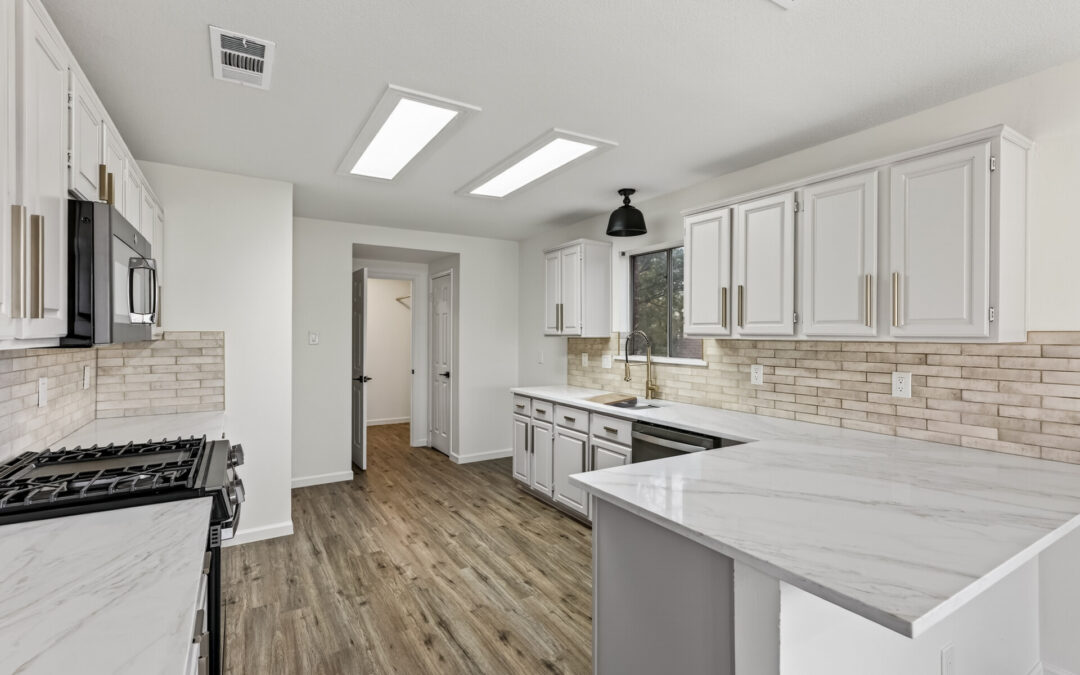
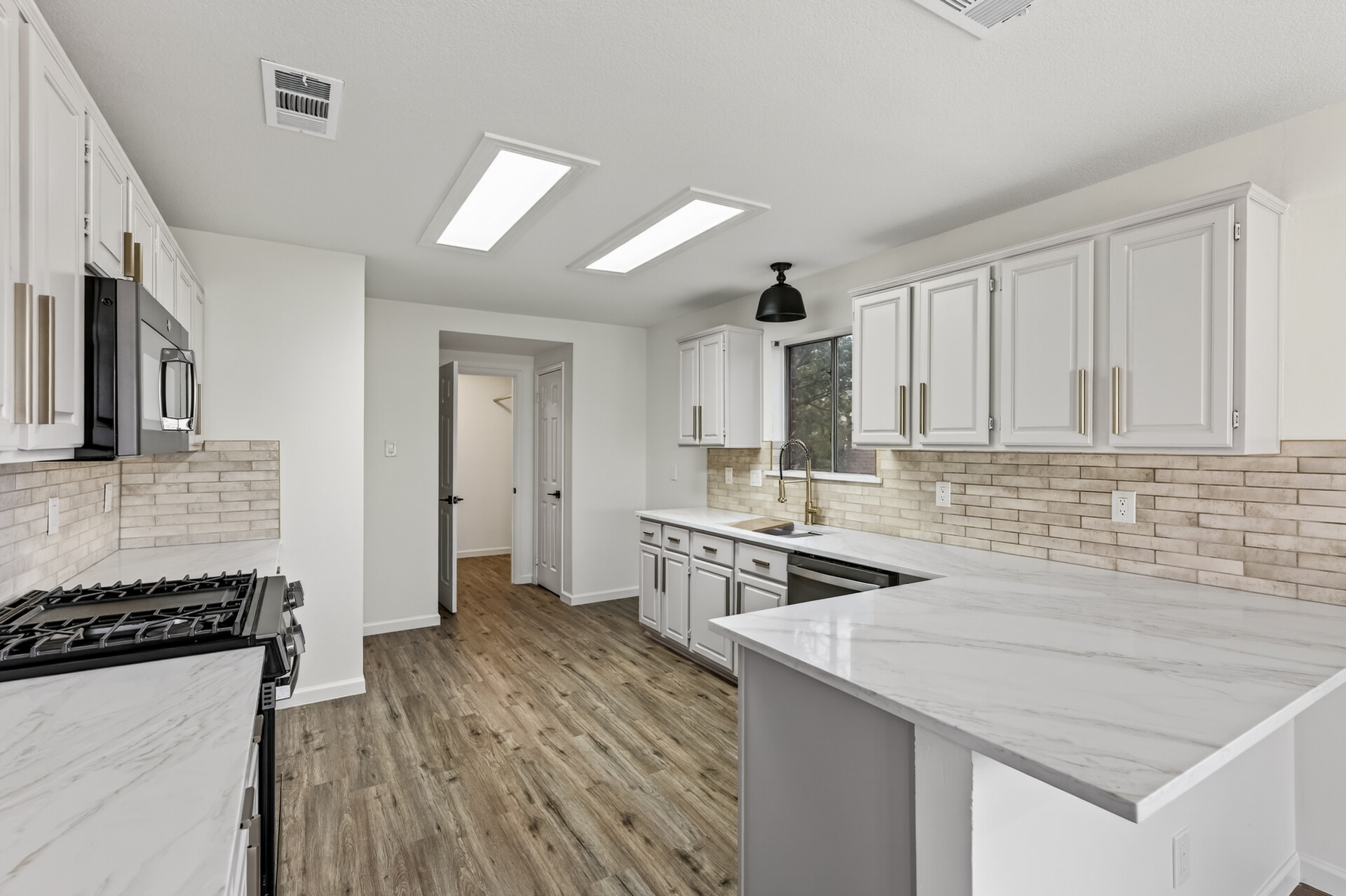
A kitchen remodel is one of the most rewarding upgrades you can make to your home, but it’s also one of the most coordinated. Cabinets, plumbing, electrical work, countertops, and finishes all rely on the work before them being completed correctly. Understanding the timeline helps homeowners set realistic expectations and avoid unnecessary delays.
While every project is different, most kitchen renovations follow a clear sequence of steps—from planning and demolition to the final inspection and walkthrough.
Planning and Pre-Construction
Before demolition begins, the most important phase happens behind the scenes. This includes finalizing layout decisions, selecting cabinets, countertops, appliances, lighting, and coordinating permits if required. Ordering materials early is critical because many items—especially cabinets and countertops—have longer lead times.
When these decisions are locked in early, the construction phase runs much more smoothly. A well-planned kitchen remodel avoids mid-project changes that can slow down progress and increase costs.
Demolition and Rough-In Work
Once the plan is finalized, demolition begins. Old cabinets, countertops, flooring, and sometimes walls are removed to prepare the space for the new layout. This stage often reveals hidden conditions such as outdated wiring, plumbing adjustments, or structural framing changes that need to be addressed.
After demolition, trades begin the “rough-in” phase. Electricians, plumbers, and HVAC professionals install or relocate systems based on the new design. These systems must be inspected before the project moves forward.
Cabinets, Countertops, and Finishes
Once the walls are closed up and surfaces are prepared, cabinets are installed. Cabinets must be level and precisely positioned because countertops, backsplash tile, and appliances depend on them.
Countertops are typically templated after cabinets are installed and then fabricated off-site. While waiting for fabrication, other finishing tasks such as flooring, painting, and lighting installation can move forward. Once countertops are installed, sinks, faucets, and appliances are connected.
Final Walkthrough and Project Completion
The final phase focuses on details—adjusting cabinet doors, completing touch-ups, testing appliances, and confirming everything works properly. Contractors typically complete a punch list to address small adjustments before the final walkthrough.
At this stage, the kitchen is ready for everyday use, and homeowners can finally enjoy the finished space.
A kitchen remodel involves many moving parts, but when the process is planned carefully, each stage builds on the last. From design decisions to final installation, the key to a smooth timeline is preparation, coordination, and clear communication.
Understanding the process helps homeowners feel confident throughout the project—and ensures the finished kitchen meets both functional and design goals.