Circuit overloads are one of those issues most homeowners don’t think about until something goes wrong — the lights flicker, the breaker trips, or an outlet feels warmer than it should. As contractors working throughout the Willamette Valley, we see this more often than you might expect, especially in older homes or during seasons when people plug in more lighting, heaters, or appliances.
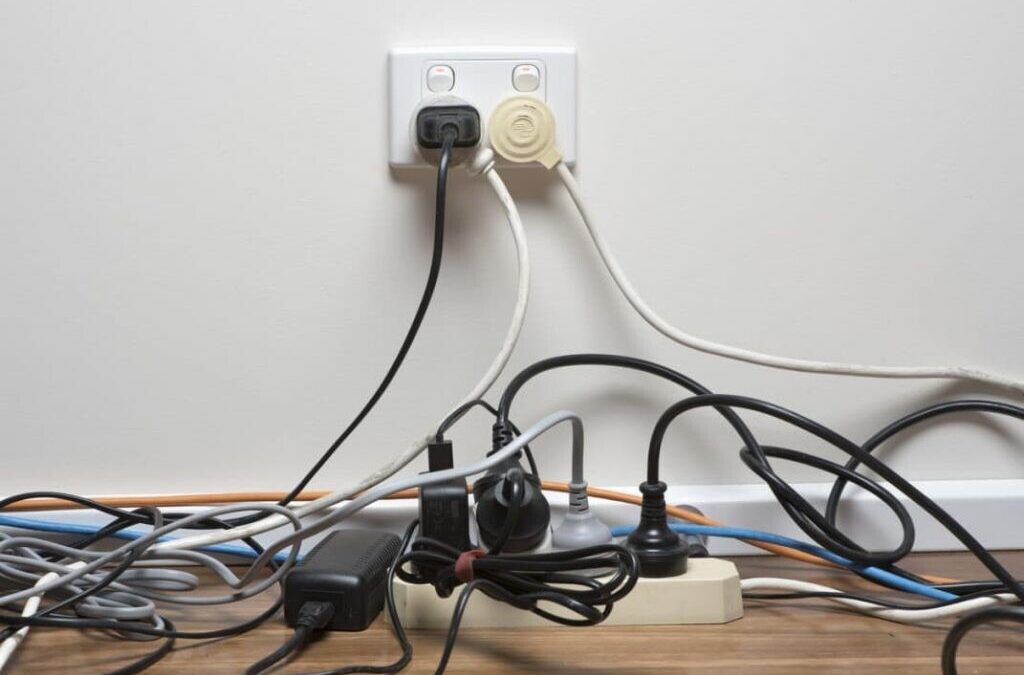
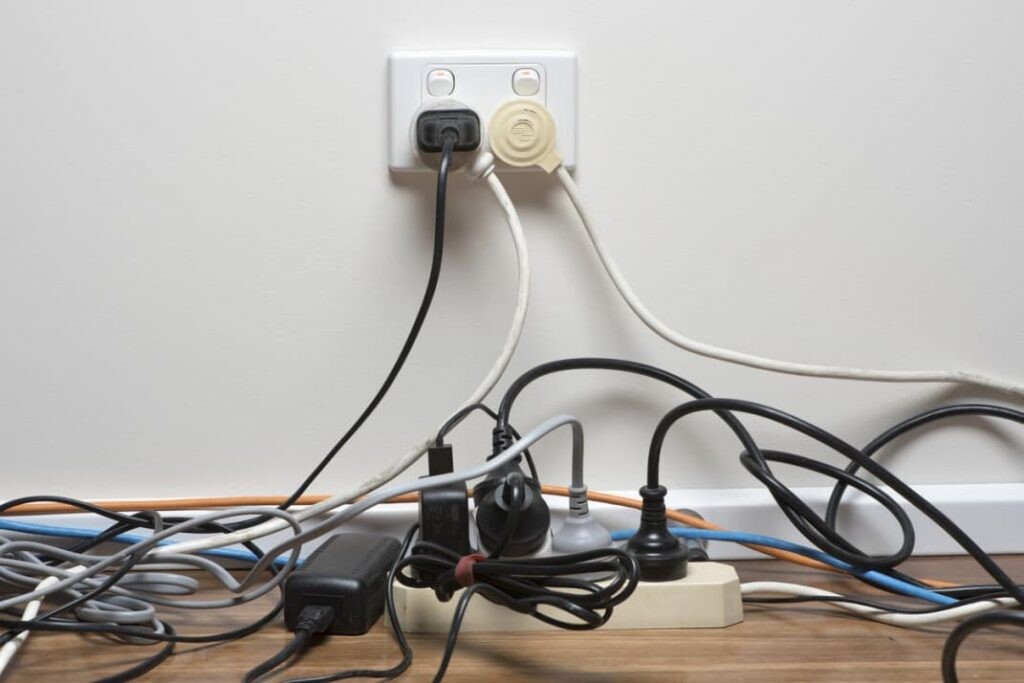
A household circuit only has so much capacity. When too many high-demand devices run on the same line, the wiring heats up, and the breaker shuts down to protect the system. According to The Spruce, early warning signs include dimming lights, frequently tripped breakers, buzzing outlets, and warm switch plates. The Electrical Safety Foundation International also recommends avoiding extension cords or power strips for major appliances — they’re not designed to carry that type of load for long periods.
One of the easiest ways to prevent overloads is to spread your electrical usage across multiple circuits. Instead of stacking everything on one outlet, identify which circuits power which spaces in your home. Plug big appliances directly into the wall, replace damaged or frayed cords, and don’t daisy-chain power strips. Surge-protected strips can help protect electronics, but they don’t increase the capacity of your circuit — they simply help manage unexpected voltage spikes.
If your home regularly experiences flickering lights, warm outlets, or breakers that trip for no clear reason, it may be time for an electrical inspection or even a panel upgrade. Older homes, especially those with added square footage, ADUs, or new high-demand appliances, can easily exceed what the original electrical system was built for.
Being proactive with electrical safety is a lot easier than dealing with a major repair later. Whether you’re preparing for the holidays, planning a remodel, or adding new equipment to your home, staying ahead of your electrical load keeps your home safe and your system running smoothly.
If you’re unsure what your home can handle, BuildWell Northwest can walk you through it and help you make smart upgrades before small issues turn into bigger ones.